
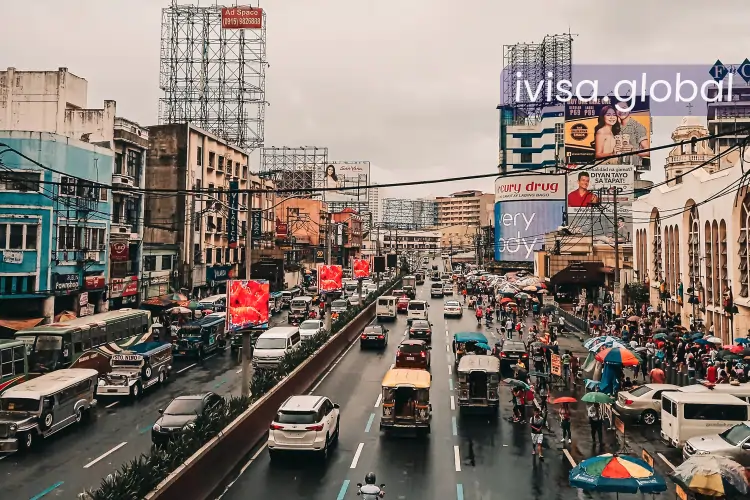
The Philippines, a fascinating archipelago in Southeast Asia, attracts visitors with its beautiful beaches, rich cultural heritage, and renowned hospitality. The Philippines has a tropical climate with high temperatures and humidity throughout the year, two seasons – dry and wet. During the wet season, the eastern and northern coasts get a lot of rain, storms, and typhoons. The climate in the south is a little different, with less rain and more stable temperatures.
As the country continues to gain popularity among tourists, business professionals, and students, it becomes increasingly important to comprehend the intricacies of visa requirements and processes for entry. This comprehensive article provide more information about the various types of Philippine visas, eligibility criteria, and the step-by-step application process.
Why Choose Philippines?
The Philippines provides a remarkable quality of life, cost-effective living standards, and a diverse, multicultural atmosphere. Its fascinating history, lively metropolises, and natural splendors, such as unspoiled beaches, green rainforests, and distinctive wildlife, make the Philippines an attractive destination for globetrotters. Moreover, the country’s flourishing economy, robust educational infrastructure, and growing business landscape offer abundant opportunities for personal and professional advancement.
Philippines Visa Options
Visitors to the Philippines may need a visa, depending on factors like nationality, purpose of visit, and intended duration of stay. The country offers a range of visas to suit different needs, including:
Tourist Visa
Travelers from countries excluded from the visa-free entry list must obtain a tourist visa for short-term stays up to 30 days. This visa caters to leisure, recreational, and family visits, while prohibiting engagement in business or employment activities.
We reveal the top 10 must-visit tourist attractions in the Philippines that should be on every traveler’s bucket list.
- Boracay Island: Known for its powder-white sand and crystal-clear waters, Boracay Island is a popular beach destination that offers a mix of relaxation, adventure, and nightlife. Explore the island’s pristine beaches, such as White Beach and Puka Beach, or indulge in water sports like kiteboarding, scuba diving, and snorkeling.
- Palawan: Palawan, dubbed the “Last Frontier,” is famous for its stunning seascapes, limestone cliffs, and diverse marine life. Visit the breathtaking Puerto Princesa Underground River, explore the picturesque islands of El Nido, or dive into the rich coral reefs of Coron.
- Chocolate Hills: The Chocolate Hills in Bohol are a unique geological formation that consists of over 1,200 symmetrical hills. These grass-covered limestone hills turn chocolate brown during the dry season, offering a spectacular sight that attracts visitors from around the world.
- Banaue Rice Terraces: The Banaue Rice Terraces, a UNESCO World Heritage site, showcase the Ifugao people’s ingenuity in creating a sustainable agricultural system on steep mountain slopes. Wander through these ancient terraces and learn about the rich culture and history behind this remarkable feat.
- Intramuros: Intramuros, the historic walled city in Manila, allows visitors to step back in time and experience the Philippines’ Spanish colonial past. Explore its well-preserved architecture, visit historic landmarks like Fort Santiago and San Agustin Church, and take a leisurely ride on a traditional horse-drawn carriage.
- Cebu: Cebu, the Queen City of the South, boasts a rich history, diverse wildlife, and clean beaches. Visit the historic Magellan’s Cross, swim with whale sharks in Oslob, or relax on the white-sand beaches of Bantayan Island and Malapascua Island.
- Vigan: Vigan, a UNESCO World Heritage site, is known for its well-preserved Spanish colonial architecture and cobblestone streets. Stroll down Calle Crisologo, visit the historic St. Paul’s Cathedral, and experience local delicacies like Vigan empanada and longganisa.
- Davao City: Davao City offers a mix of urban amenities and natural wonders. Visit the Philippine Eagle Center, take a pleasant white-water rafting adventure on the Davao River, or climb Mount Apo, the country’s highest peak.
- Siargao Island: Siargao Island is a surfer’s paradise, famous for its world-class waves and laid-back atmosphere. Catch a wave at Cloud 9, island-hop to nearby islets, or explore the enchanting Sohoton Cove National Park.
- Batanes: Batanes, the northernmost province of the Philippines, is known for its rolling hills, dramatic cliffs, and ancient stone houses. Experience the unique Ivatan culture, explore the picturesque landscapes, and savor of this remote paradise.
Business Visa
A business visa is necessary for business travelers attending meetings, conferences, or participating in other work-related pursuits in the Philippines. Allowing a stay of up to 59 days, this visa can be extended based on the nature and duration of business engagements.
Student Visa
Foreign nationals accepted into accredited Philippine educational institutions for long-term study programs must apply for a student visa. This visa permits the holder to reside in the country for the duration of their studies, with the option of annual renewal.
Work Visa
Foreign nationals securing employment in the Philippines require an employment visa, also known as a work visa or 9(g) visa. The prospective employer must first obtain an Alien Employment Permit (AEP) from the Department of Labor and Employment before the employee can apply for the visa.
Retirement Visa
The Special Resident Retiree’s Visa (SRRV) is a retirement visa designed for foreign nationals aged 35 or older seeking retirement in the Philippines. Visa holders must fulfill specific financial and investment prerequisites to qualify.
Navigating the Visa Application Process
The visa application process for the Philippines typically entails the following steps:
- Identify the appropriate visa type based on the purpose and duration of the visit.
- Assemble the required supporting documents, such as a valid passport, passport-sized photos, proof of financial means, and travel itinerary.
- Complete the visa application form, accessible on the Philippine Embassy or Consulate’s website in your country of residence.
- Pay the visa application fee, which varies according to the visa type and nationality of the applicant.
- Submit the application and supporting documents to the nearest Philippine Embassy or Consulate.
- Attend an interview, if required, and await the processing of the visa application.
