

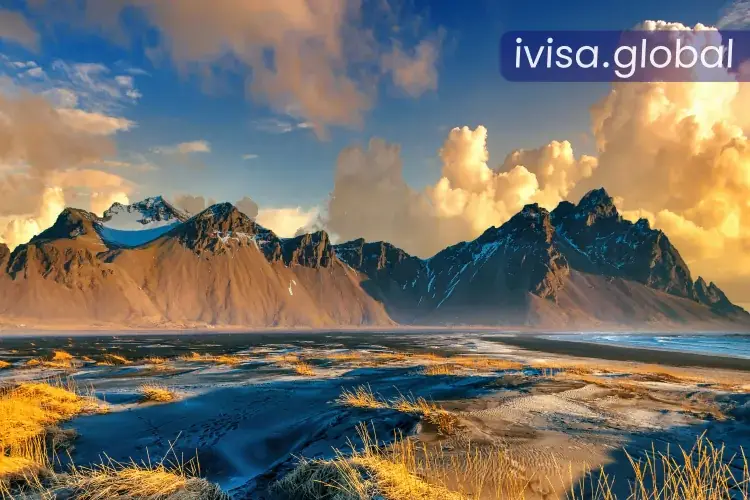
Iceland, an attractive Nordic island nation nestled in the North Atlantic Ocean, attracts visitors with its unparalleled natural marvels, dynamic landscapes, and vibrant cultural environment. Positioned between the rugged terrains of Greenland and Norway, Iceland stretches across approximately 103,000 square kilometers, securing its position as the world’s 18th largest island. In 2026, the population of this country stands at around 400,000, with the majority of inhabitants concentrated in the cosmopolitan capital of Reykjavik.
Iceland has a maritime climate with moderate winters and cool summers. Throughout the year, the weather is generally windy, and rain or snow showers are common. Temperature, wind direction, and precipitation can all change dramatically and unexpectedly. There are long periods of darkness in the winter, while the sun barely sets in the summer.
Why Choose Iceland?
Iceland invites travelers with its beautiful views, including majestic glaciers, cascading waterfalls, steaming geysers, and black sand beaches. The high standard of living, exceptional healthcare system, and flourishing arts and music scenes elevate Iceland as a sought-after travel destination.
Sustainability and eco-conscious living define Iceland’s commitment to preserving its natural wonders. The country’s low crime rates and hospitable locals further enhance its desirability for tourists and expatriates alike.
Iceland Visas
Tourist Visa
Non-Schengen area citizens seeking to immerse themselves in Iceland’s extraordinary tourism experiences must secure a short-stay Schengen visa. This essential travel document grants entry to Iceland and other Schengen countries for a maximum of 90 days within a 180-day period.
New Schengen entry rules (EES and ETIAS): Since 12 October 2025, the EU Entry/Exit System (EES) registers non-EU travelers at the Schengen external borders, taking fingerprints and a facial photo on the first entry instead of stamping the passport. ETIAS, an online travel authorization for visa-exempt travelers (for example citizens of the United States, the United Kingdom, Canada and Australia), has not started yet: the EU has dropped its target of the last quarter of 2026 and will announce a launch date several months in advance. Once it starts, it is expected to cost €20 and be valid for three years or until the passport expires. The short-stay Schengen visa fee is €90 for adults and €45 for children aged 6 to 11.
From colossal glaciers to majestic waterfalls, Iceland’s natural wonders are sure to attract visitors. Here are some of the top tourist attractions in Iceland.
- The Northern Lights: The Aurora Borealis, or Northern Lights, are one of the most awe-inspiring natural phenomena in the world. Iceland’s location near the Arctic Circle makes it a prime spot to witness the vibrant green, pink, and purple lights dancing across the night sky.
- The Blue Lagoon: The Blue Lagoon, a geothermal spa located in the heart of a lava field, is one of Iceland’s most popular attractions. Visitors can soak in the warm, mineral-rich waters, surrounded by breathtaking scenery.
- Vatnajökull Glacier: Vatnajökull Glacier, the largest glacier in Europe, covers over 8% of Iceland’s landmass. It offers a range of outdoor activities, including glacier hikes, ice cave explorations, and snowmobiling.
- Gullfoss Waterfall: Gullfoss Waterfall, located in the Golden Circle, is a stunning two-tiered waterfall that drops into a deep gorge. Visitors can view the falls from multiple vantage points, including a walkway that takes them close to the rushing water.
- Thingvellir National Park: Thingvellir National Park, a UNESCO World Heritage Site, is a geologically significant area that marks the meeting point of the North American and Eurasian tectonic plates. It also boasts a stunning landscape of rugged cliffs, crystal-clear waters, and vibrant flora and fauna.
- Jökulsárlón Glacier Lagoon: Jökulsárlón Glacier Lagoon, located on Iceland’s southeastern coast, is a picturesque glacial lake that offers a unique sightseeing experience. Visitors can take a boat tour to witness the towering icebergs up close or walk along the black sand beach to view the icebergs as they wash ashore.
Business Visa
An Iceland business visa is a prerequisite for non-Schengen area citizens conducting professional activities within the country. This short-stay Schengen visa permits entry to Iceland and other Schengen nations for up to 90 days within a 6-month timeframe.
Student Visa
For non-Schengen area citizens who have secured admission to an Icelandic university or educational institution, an Iceland student visa is mandatory. This vital document grants permission to study and reside in Iceland for the duration of the chosen academic program.
Work Visa
Non-Schengen area citizens eager to pursue employment opportunities in Iceland must obtain a working visa. This crucial visa is typically issued to individuals with a confirmed job offer from an Icelandic employer. The validity of the visa corresponds with the employment contract’s duration and can be extended if the employment continues.
Residence Permit for Long-Term Stays
Individuals planning to reside in Iceland for an extended period, whether for professional or familial reasons, must apply for a residence permit. The eligibility criteria and application procedures for a residence permit vary based on factors such as nationality, family connections, and the nature of the stay.